
What is a CRM and what is it used for in B2B prospecting?
A simple definition of CRM
A B2B CRM tool, short for Customer Relationship Management, is software that centralizes all data and activity related to the customer relationship: contacts, exchanges, opportunities, and sales history.
Its purpose is to provide a complete, accessible view of every interaction so it can be shared between sales and marketing teams.
The role of a CRM: centralize, track, measure
As we've seen, a B2B prospecting CRM centralizes contact information. But it doesn't stop there. It also tracks the progress of opportunities and measures overall prospecting performance.
Thanks to its built-in dashboards, a sales manager can see at a glance the number of leads generated, follow-ups in progress, and conversion rates.
This immediate visibility helps prioritize actions and focus efforts on the prospects identified as most promising.
Why a CRM is especially useful in B2B prospecting
B2B prospecting often involves multiple stakeholders, long decision cycles, and a need for regular follow-up. Without a B2B prospecting CRM, these complex exchanges become difficult to manage.
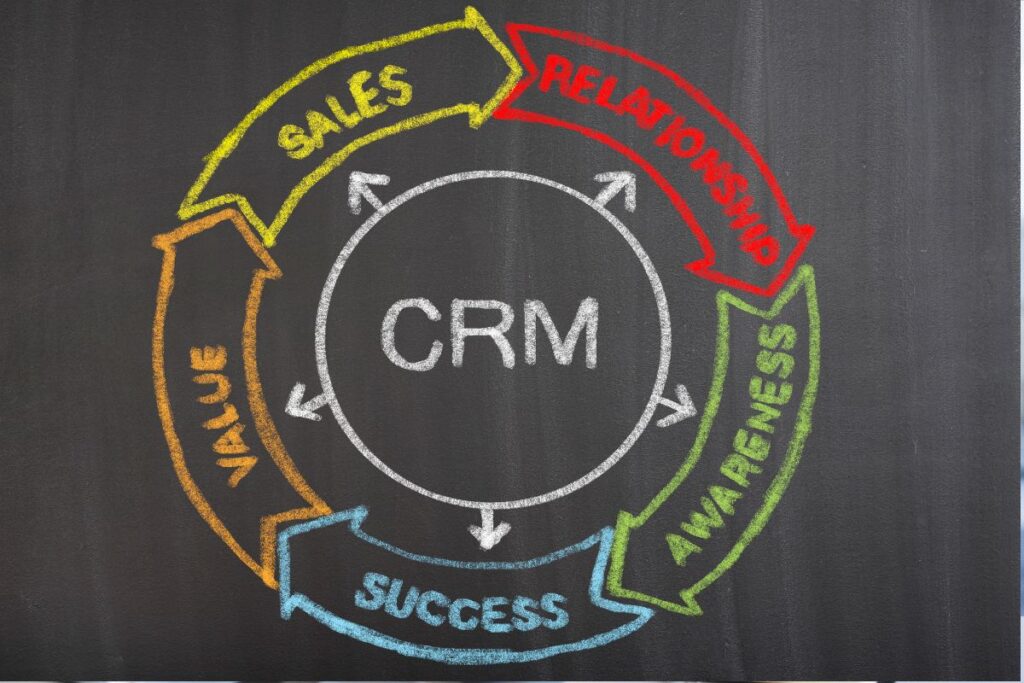
A CRM nurtures the relationship over time (what's known as nurturing), helps personalize messages based on the prospect's stage, and keeps marketing and sales actions consistent with one another.
The limits of prospecting without a CRM
Outdated spreadsheet files
Many companies still manage their prospecting in Excel, a method that quickly becomes outdated and creates duplicates and lost information.
Without automatic syncing, each sales rep works from a different data set, which means no one has a truly reliable view of activity. The result is missed opportunities and a considerable amount of time wasted "cleaning up" data instead of prospecting.
Lost leads and lack of follow-up
When a contact shows interest, it still needs to be properly followed up on.
Without a B2B prospecting CRM, conversations get scattered across emails, personal notes, and LinkedIn messages. Follow-ups get forgotten, priorities shift, and some prospects simply disappear from the sales radar.
According to a Freshworks survey, some companies that adopted a CRM saw revenue growth of 21% to 30%, directly linked to better follow-up on high-potential profiles.
No overview of the sales pipeline
Without a B2B CRM tool, it's hard to know exactly where each opportunity stands: how many prospects need a follow-up, which deals are close to signing, or which actions have paid off.
This lack of visibility prevents any strategic steering. Decisions then end up based on intuition rather than concrete data.
A CRM puts an end to this blind spot by providing a clear view of the pipeline and reliable indicators to adjust sales efforts in real time.
Looking to structure your B2B sales prospecting? Contact our Undersales team to find out how we can help.